A Journey Through Cuba's Artistic Evolution
- Cuban Art Decor

- Nov 1, 2024
- 3 min read
Updated: Nov 5, 2024

Cuba is a vibrant blend of culture, history, and creativity, and its art reflects this diverse identity. With everything from stunning paintings to dynamic performances, the richness of Cuban art has deep roots in the island's social, political, and historical movements. This blog post explores Cuban art through various cultural movements that have shaped its landscape, unveiling the hidden gems of this enchanting nation.
The Impact of Colonialism
Colonial influences in Cuba set the stage for early artistic expressions. Spanish colonizers brought their artistic traditions, which mingled with indigenous styles. This blend birthed a unique form of colonial art characterized by religious iconography and elaborate depictions of daily life in 16th and 17th-century Cuba.
As you explore art galleries in Havana and beyond, you might encounter works that showcase these early influences. For instance, some galleries feature paintings depicting colonial scenes, revealing how colonialism shaped the aesthetics of Cuban life. One striking example includes works that mirror popular Spanish religious art, but infused with local elements like indigenous motifs, illustrating the complex cultural exchange that took place.
The Emergence of Modernism
The 20th century saw the rise of modernism in Cuba, significantly influenced by European artists fleeing conflict. This movement marked a shift from traditional forms, embracing abstraction and experimentation. Artists such as Wifredo Lam and Amelia Peláez started to blend Afro-Cuban elements with modernist techniques.
For example, Wifredo Lam's masterpiece "The Jungle," completed in 1943, features a bold synthesis of surrealism and Afro-Cuban themes. This painting showcases how modernist art can redefine identities, merging rich cultural heritage with contemporary expressions. Visiting modernist art exhibitions across the country reveals a vibrant palette and dynamic compositions that tell the evolving Cuban story.
The Revolutionary Spirit
The Cuban Revolution of 1959 profoundly impacted art in Cuba. The revolutionary ethos inspired artists to express socio-political commentary. The government championed art as a tool for social transformation, leading to a surge in public murals, installations, and theater that echoed the revolutionary spirit.
Wander through neighborhoods adorned with striking murals that depict stories of resilience and hope. One famous example is the "Héroes de la Revolución" mural in Havana, which illustrates key figures of the revolution, inspiring unity and national pride. These murals not only offer inspiration but also document Cuba's ongoing evolution as an independent nation.
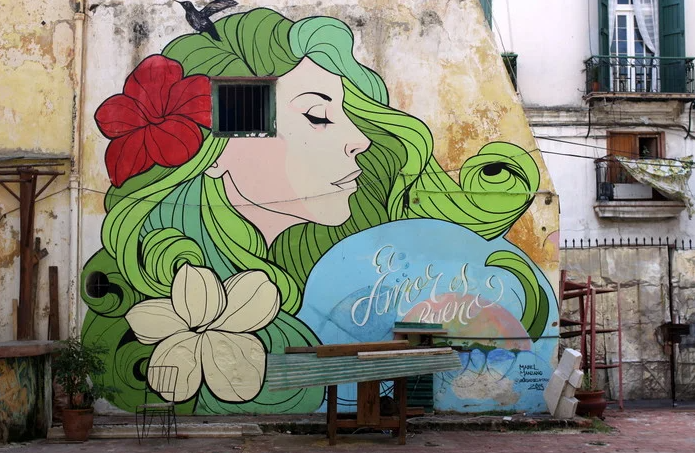
‘Love is Good’ – mural by Mabel Manzano (photo © BA Street Art)
The Special Period: Resilience Through Art
The “Special Period” in the 1990s saw Cuba confront drastic economic changes after the Soviet Union's collapse. This era sparked a new wave of artistic innovation as artists focused on the raw realities of daily life. Figures like Tania Bruguera harnessed performance art to engage the public and challenge societal norms.
For instance, in her work "Tatlin's Whisper," Bruguera invites audience members to speak into a microphone, empowering them to share their thoughts in a society where free speech can be limited. Today, the legacy of this period is clear in the bold nature of contemporary Cuban art. Local galleries showcase the resilience and ingenuity of artists, sparking conversations about survival and identity in a complex socio-economic landscape.
The Artistic Journey Ahead
Exploring Cuban art through its cultural movements reveals a rich narrative of adaptation, innovation, and resilience. Each artistic expression not only reflects its time but also highlights the enduring spirit of the Cuban people. As you immerse yourself in this artistic landscape, keep an open mind and heart. You will discover how art can connect the past with the present, deepening your understanding of identity and culture.
Cuba’s artistic evolution truly offers a treasure trove of hidden gems waiting to be uncovered. Whether wandering the vibrant streets of Havana or visiting the intimate spaces of local studios, each piece tells a unique story. So, embark on this journey and let the art of Cuba inspire your creativity and appreciation for the nuances of life.


Comments